
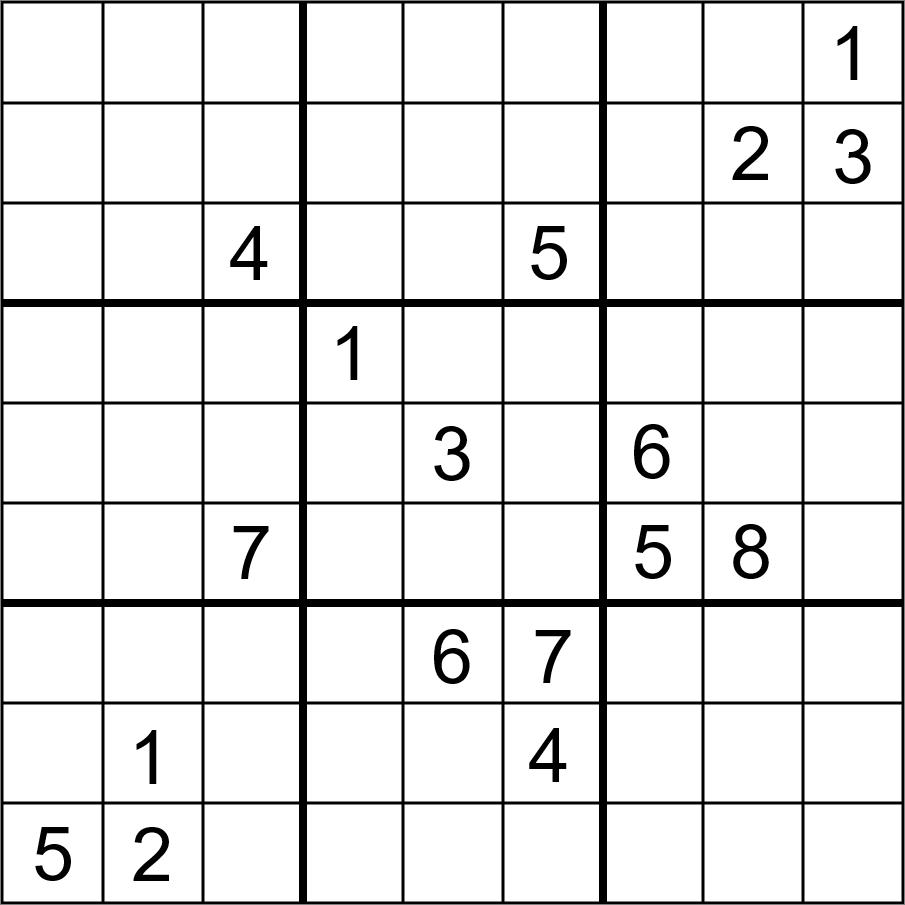
The strange thing about Sudoku is how little it had to change when the world around it changed. The same puzzle works in a printed newspaper, a travel-size book, and a phone app without losing much of its character. That is a big part of why people still open a grid on USA Today Sudoku with almost no learning curve.
Why Sudoku fit newspapers so well
Editors liked the format because the rules were brief and the grid was compact. Readers liked it because they could start immediately. That is a rare combination for a logic puzzle.
Why Sudoku moved cleanly into apps
The interface is small, the session length is flexible, and the win condition is obvious. A player can solve for three minutes or thirty without feeling lost when they come back.
You can also trace that continuity through the puzzle's publishing history in Conceptis' overview and Nikoli's own summary.
What stayed the same
No matter the platform, the pleasure is still the same: a fixed problem, a readable grid, and the feeling that each correct number clears a little more space.
Why that matters now
A lot of casual games need constant novelty to survive. Sudoku does not. The original frame was strong enough that each new platform mostly just widened the audience.
- Play on USA Today Sudoku
- Find more sudoku posts on USA Today Sudoku
- Read the Conceptis Sudoku history overview
- Read Nikoli’s Sudoku background page
That consistency is part of the reason Sudoku feels dependable. Books, newspapers, and apps all deliver the same core puzzle, and that has turned into a long-lasting habit for a lot of players.